When to replace drywall instead of repairing it in Edmonton homes depends on how far the damage extends beyond the finished surface and whether the board can still perform reliably. Surface-level defects that are shallow and isolated can usually be repaired, while damage that spreads across a larger portion of the panel, weakens the core, or affects more than a small section of the wall typically shifts the decision toward replacement. Select Drywall evaluates both options by assessing damage depth, spread, material condition, and whether a repair will hold over time in Edmonton’s seasonal conditions.
Differences Between Surface Damage and Structural Failure
Surface damage affects only the outer finish layer and does not reduce the strength of the drywall panel. This includes dents, nail pops, small holes, shallow gouges, or thin cracks where the gypsum core remains firm and the board stays securely fastened to framing.
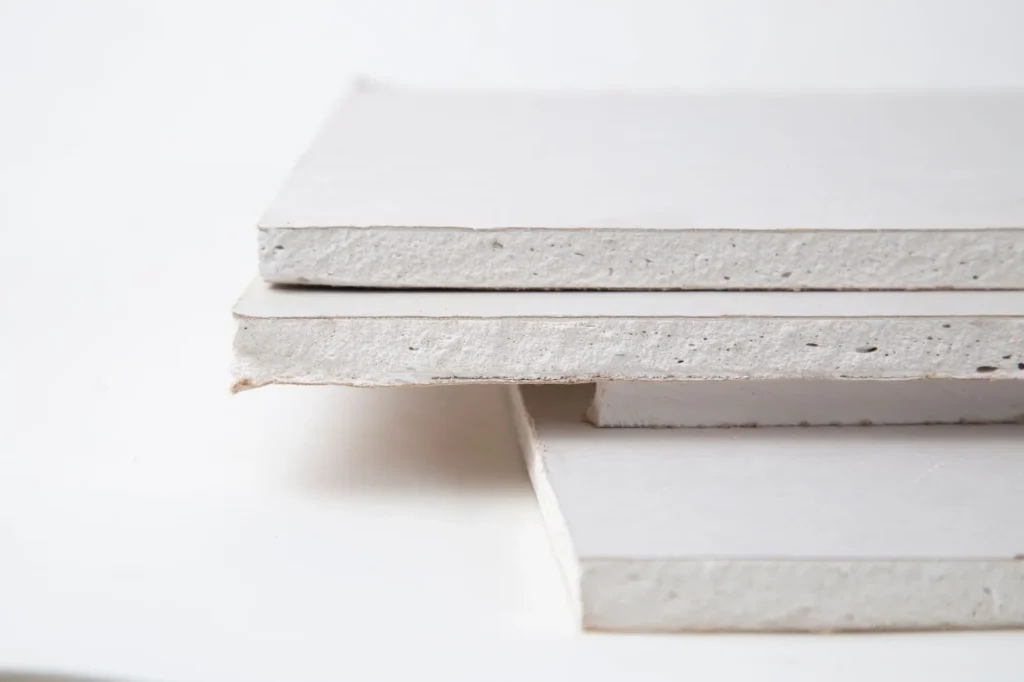
Structural failure occurs when the drywall no longer holds fasteners properly, loses stability at joints, or breaks down internally. This can result from moisture exposure, repeated stress, or poor fastening. Practical indicators include screws that no longer tighten, seams that separate repeatedly, or sections of wall that flex when pressed.
A key distinction is whether the issue is isolated and stable or tied to movement, moisture, or material breakdown. Homeowners can often identify deeper issues without opening the wall by checking for movement when pressure is applied, repeated crack reopening, or soft areas that do not resist pressure. If the drywall cannot securely support compound, tape, or fasteners due to crumbling edges or internal weakness, repair becomes unreliable.
Situations Where Repair Is Usually Sufficient
Repair is usually sufficient when the damaged area is small, stable, and not spreading, and when the surrounding drywall remains dry and structurally sound. In general, repairs are appropriate when damage is confined to a limited area, typically under a few square feet, and has not required repeated correction.
Prior repair history also affects the decision. If the same area has already been repaired once or twice and continues to fail, replacement becomes more appropriate because the underlying issue is not being resolved.
Small Holes and Localized Impact Damage
Small holes and localized impact damage are repairable when the surrounding drywall is firm and intact. This includes damage from door handles, minor impacts, or hardware removal. A simple test is applying light pressure around the area. If the edges remain solid and do not crumble or compress, the board can usually support a patch.
The threshold changes as hole size increases or when edges break back beyond the visible damage. Holes larger than several inches, or damage with fractured edges that do not hold shape, often require cutting back to solid material or replacing a larger section rather than applying a surface patch.
Hairline Cracks From Minor Settlement
Hairline cracks from minor settlement are repairable when they are thin, stable, and do not widen over time. These are typically cosmetic and appear near joints, corners, or transitions as materials adjust.
A practical distinction is whether the crack remains consistent or continues to reopen. If a repaired crack reappears within a short period or widens with seasonal changes, it may indicate movement beyond normal settlement. Monitoring over several months or across seasonal cycles helps determine whether the issue is stable or ongoing. Repeated repair failure usually signals the need for replacement or deeper correction.
Clear Signs Full Drywall Replacement Is the Better Option
Full drywall replacement is appropriate when the panel has lost integrity, when damage extends beyond a confined area, or when keeping the board creates a high risk of repeat failure. This includes moisture-related damage, internal breakdown, recurring structural issues, and other conditions where the board cannot support a lasting finish.
Additional triggers for replacement can include fire or smoke exposure that affects material integrity or odor retention, and contamination from substances that cannot be reliably sealed or removed through surface repair.
Water Saturation and Mould Risk
Water-saturated drywall often requires replacement because moisture changes the material at a structural level. The decision depends partly on the source and duration of exposure. Clean water exposure that is addressed quickly may allow for limited removal, while prolonged exposure or contaminated water increases the likelihood that full sections need replacement.
As a general guideline, drywall that has remained wet for more than 24 to 48 hours carries a higher risk of internal damage and microbial growth. In these cases, removal is typically safer than attempting to dry and repair.
Partial replacement may be possible if moisture is clearly confined to a small, accessible area and the surrounding board is confirmed dry and stable. However, when moisture spreads behind the panel or along seams, full sheet replacement is often more reliable.
Recurring Cracks at Seams or Corners
Recurring cracks at seams or corners indicate that the drywall system is not stable in that area. This can result from inadequate fastening, insufficient backing behind joints, or movement in the structure.
Backing issues refer to a lack of solid support behind drywall seams or edges, which prevents proper fastening and leads to repeated separation. These conditions often show up as cracks that reappear after repair, especially along taped joints.
If cracks return multiple times or are accompanied by changes in door or window alignment nearby, it may justify inspecting underlying framing before deciding on replacement. Once repeated failure is confirmed, replacing the affected section and correcting the underlying issue is usually more effective than continued patching.
Soft or Crumbling Gypsum Core
A soft or crumbling gypsum core indicates that the drywall has lost its internal strength. This can be tested by applying light pressure or by checking whether screws hold firmly. If the material compresses easily or fasteners fail to grip, the board cannot support a durable repair.
Degradation often extends beyond the visible damage. When opening the wall, it is common for compromised material to break back further than expected, which expands the repair area. In these cases, replacing the affected section ensures that new material is installed on a stable base rather than attempting to rebuild over weakened drywall.
Cost and Long-Term Performance Considerations
The cost difference between repair and replacement depends on scope, finish complexity, and the likelihood of repeat work. Small repairs typically cost less because they involve minimal labor and materials. However, as damage spreads or requires more preparation, the cost gap between repair and replacement narrows.
In Edmonton, minor repairs are generally the lowest cost option when damage is isolated. Larger repairs that require cutting, blending, and texture matching can approach the cost of replacing full sections, especially when finish consistency is difficult to achieve.
A common inflection point occurs when repairs require reopening areas, addressing hidden damage, or blending large surfaces. At that stage, replacement often provides better long-term value by reducing the risk of additional work.
Project disruption also plays a role. Replacement involves more demolition and finishing time, while repairs are less invasive. However, repeated repairs can result in more total disruption over time if the issue persists.
| Scope | Cost Range | Longevity | Risk Level |
|---|---|---|---|
| Small cosmetic repair, such as minor holes or short hairline cracks | Lower | Good when the surrounding drywall is stable | Low |
| Moderate repair with cut-out and patching of a limited section | Low to moderate | Good if the underlying cause is resolved | Moderate |
| Large repair area with repeated cracking or finish matching challenges | Moderate to high | Variable depending on substrate stability | Moderate to high |
| Full panel or section replacement after moisture damage or core failure | Moderate to high | Strong when the cause is corrected | Lower than repeated repair |
| Repairing over compromised drywall without addressing cause | Lower upfront | Poor | High |
How Select Drywall Evaluates Repair vs Replacement Projects in Edmonton
Select Drywall evaluates repair versus replacement by following a structured inspection process. This begins with a surface assessment to identify visible damage, followed by checking for softness, movement, and fastening integrity.
Moisture evaluation is conducted where relevant, using indicators such as staining, softness, or moisture detection tools to identify hidden water exposure. Structural assessment focuses on seams, corners, and fastening points to determine whether the drywall is properly supported.
The scope of damage is then defined to determine whether it is confined or spreading. This helps establish whether a repair will remain localized or if larger sections are affected.
Risk profile refers to the likelihood that the issue will return after repair. High risk conditions include repeated failure, moisture exposure, or material breakdown. Failure history includes prior repairs in the same location and whether they have held over time.
Based on these factors, Select Drywall determines whether repair will provide a stable, lasting result or whether replacement is required to avoid repeat work.