Whether your basement needs new insulation before drywalling in Edmonton depends on whether the existing insulation can maintain consistent wall temperature, prevent drafts, and remain dry under normal conditions. Insulation that meets these criteria can often remain in place, but gaps, moisture exposure, or outdated materials that affect performance usually justify upgrading before drywall installation. Select Drywall evaluates insulation condition alongside drywall planning to prevent issues that are difficult to correct once walls are closed.
Why Insulation Decisions Must Be Made Before Drywall Installation
Insulation is installed behind the finished wall, so once drywall is in place, access becomes limited and corrections typically require removal. This makes insulation decisions a required step before drywalling rather than something that can be addressed afterward.
A complete and functioning insulation layer means the cavity is fully filled without gaps, the material is evenly distributed, and air movement through the assembly is controlled. If insulation is missing, uneven, or loosely installed, those gaps will remain behind the drywall and reduce overall performance.
Moisture exposure also affects the decision. Minor condensation that dries quickly without affecting material structure may not require replacement, but insulation that has absorbed water, shows staining, or has been exposed to repeated moisture events is less reliable once enclosed.
In most cases, upgrading insulation after drywall installation requires opening finished walls. While limited retrofit options exist in some scenarios, they do not provide the same level of control as correcting the assembly before drywall is installed.
Signs Existing Basement Insulation Is Not Adequate
Existing basement insulation is not adequate when it fails to maintain consistent temperature, allows air movement, shows signs of moisture impact, or no longer fills the wall cavity properly. Common problem areas include rim joists, corners, and wall penetrations where insulation continuity is often incomplete.
Cold Walls or Drafts in Winter
Cold wall surfaces or noticeable drafts in winter indicate that insulation or air sealing is not performing correctly. Drafts are often caused by air leakage rather than insulation thickness alone, especially around framing joints or penetrations.
A practical way to assess this is by touch or with a basic thermometer. If a wall surface feels noticeably colder than the surrounding room or shows measurable temperature differences beyond normal variation, it typically points to a performance gap that should be addressed before drywalling.
Moisture or Condensation Issues
Moisture or condensation on basement walls indicates that the wall assembly is not controlling temperature and vapor movement effectively. Seasonal condensation may occur temporarily, but persistent dampness, staining, or odor suggests an ongoing issue.
If insulation is only lightly damp from a single, short-term event and can be fully dried without structural change, it may be retained. However, insulation that remains damp, shows deformation, or has been exposed to repeated moisture events is usually replaced to avoid trapping compromised material behind drywall.
Outdated or Compressed Insulation Materials
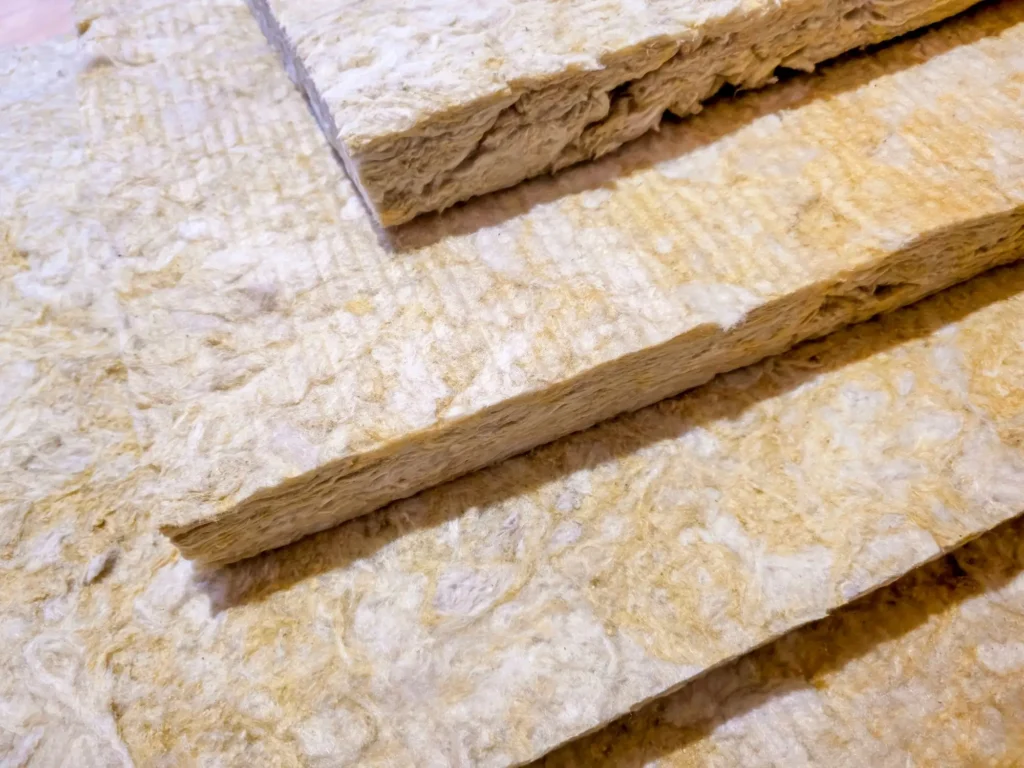
Outdated or compressed insulation reduces thermal performance and can leave sections of the wall under-insulated. This often includes older batt insulation with lower thermal resistance or material that has settled or been compressed during prior work.
Even if insulation appears intact, it may not meet current performance expectations for comfort and energy efficiency in basement spaces. This does not always require replacement for code reasons, but it may still justify upgrading if the goal is improved performance rather than minimum compliance.
Edmonton Climate and Vapour Barrier Considerations
Edmonton’s climate increases the risk of condensation forming within basement wall assemblies due to long heating seasons and temperature differences between interior and exterior conditions.
Vapour barriers are typically installed on the warm side of the insulation to limit moisture movement into the wall. If the barrier is missing, damaged, or improperly sealed, moisture can pass into the insulation layer and accumulate within the assembly.
Common installation issues include gaps at seams, punctures from fasteners, and incomplete sealing at edges or penetrations. In some retrofit conditions, vapour barrier placement may need to be adjusted depending on the wall system, but ignoring vapor control entirely increases the risk of trapped moisture behind drywall.
Upgrade vs Leave As-Is: A Practical Decision Framework
Insulation replacement is typically required when one or more of the following conditions are present:
: Visible moisture damage, staining, or persistent condensation within the insulation
: Insulation that is compressed, missing, or no longer fills the wall cavity
: Noticeable cold zones or drafts indicating air leakage or performance gaps
: Prior water intrusion affecting basement wall assemblies
: Outdated materials that no longer meet performance expectations for comfort and efficiency
: Damaged or improperly installed vapour barrier that cannot be corrected without removal
Partial upgrades may be appropriate when issues are clearly confined to specific sections of the wall and surrounding insulation is intact and dry. Full replacement is more appropriate when damage or performance issues are widespread across multiple wall areas.
If none of these conditions apply and the insulation is dry, intact, and evenly installed, it may be reasonable to leave it in place before drywalling. The decision depends on whether the existing system can perform reliably once enclosed.
How Select Drywall Coordinates Insulation and Drywall Installation
Select Drywall evaluates insulation condition as part of the drywall planning process using a structured approach. This includes a surface inspection to identify visible gaps or damage, followed by checking insulation coverage, compression, and continuity within the wall cavity.
Moisture assessment is performed where relevant using visual indicators and detection tools to identify hidden water exposure. Structural checks focus on how insulation integrates with framing and whether vapor control layers are properly aligned.
Coordination with insulation work is handled before drywall installation begins, ensuring that any required replacement or adjustments are completed in sequence. If issues are discovered after drywalling has started, affected sections may need to be reopened to correct underlying problems.
When insulation is retained, Select Drywall confirms that it fully fills the cavity, remains dry, and aligns with vapour barrier requirements so that the finished wall performs consistently once enclosed.