Drywall vs T-bar ceiling for basement renovations in Edmonton comes down to access requirements, moisture exposure, ceiling height, and how the space will be used over time. Drywall creates a sealed, finished surface suited for spaces where access is rarely needed, while a T-bar system provides ongoing access to mechanical systems above. In some basements, a hybrid approach is used, with drywall in finished areas and T-bar ceilings in utility zones. Select Drywall evaluates these factors based on how the ceiling will function day to day and whether future access or flexibility is required.
How Each Ceiling System Is Constructed
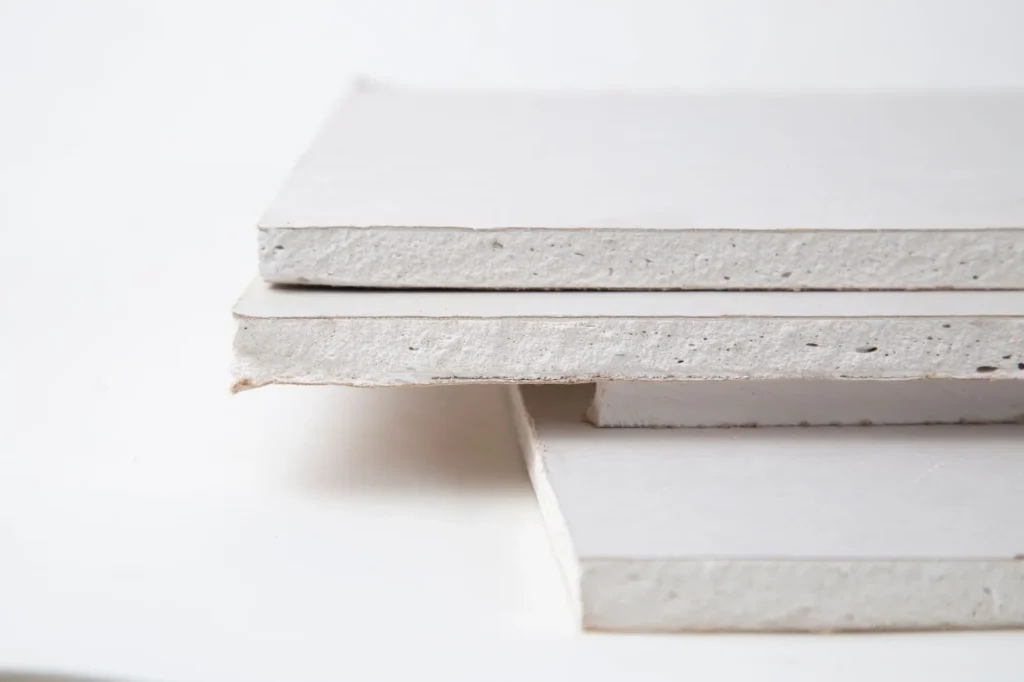
A drywall ceiling is built by fastening gypsum boards directly to ceiling joists or a framed grid, then finishing seams with tape and compound to create a continuous surface. This results in a fixed ceiling that cannot be accessed without cutting into it. Drywall typically minimizes height loss, often reducing ceiling height by only the thickness of the board and framing adjustments where required.
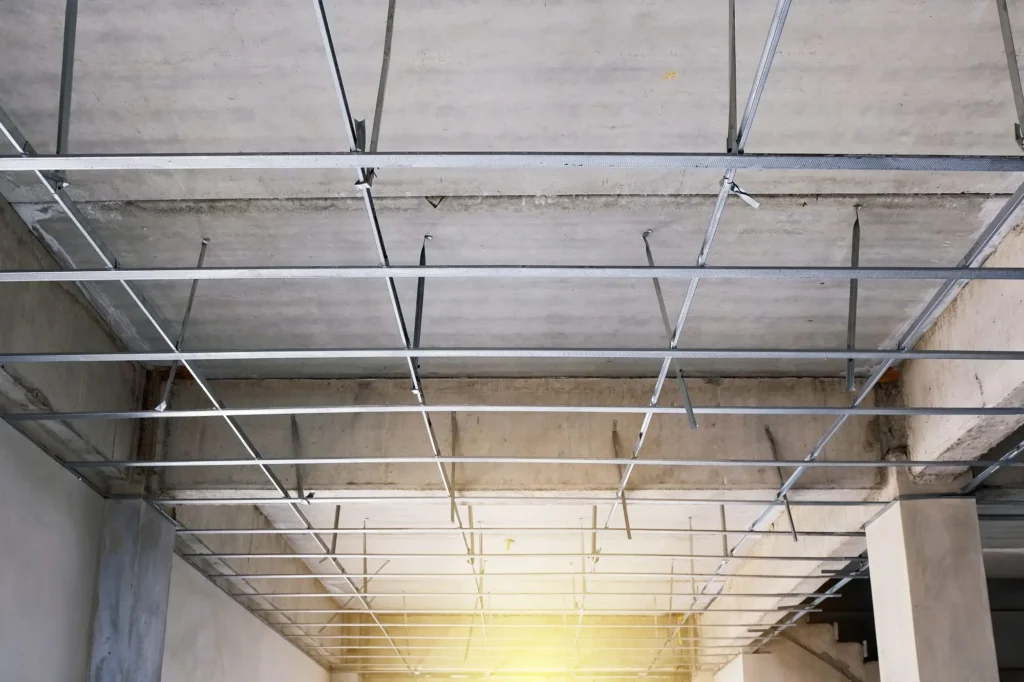
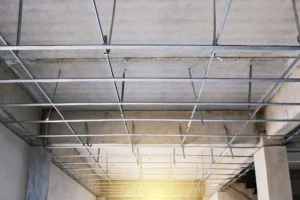
A T-bar ceiling uses a suspended metal grid installed below the structural ceiling, with removable panels placed into the grid. This system requires additional clearance, typically lowering ceiling height by several inches to accommodate the grid and access space above.
Ceiling height limitations can influence the choice. In basements with already low ceilings, a T-bar system may significantly reduce usable height. In these cases, drywall is often preferred unless access requirements outweigh height constraints.
Acoustic performance also differs. Drywall creates a more solid barrier that reduces sound transfer between floors, while T-bar systems allow more sound to pass through the plenum space above the panels.
Access to Plumbing, Electrical, and HVAC
Access is one of the main differences between drywall and T-bar ceilings. A drywall ceiling limits access because any inspection or repair requires cutting into the finished surface and patching it afterward. While access panels can be installed in drywall, they only provide limited entry points and do not allow full ceiling access.
A T-bar ceiling allows direct access by lifting panels out of the grid. This makes it easier to reach plumbing lines, electrical wiring, and HVAC components without damaging the ceiling.
The decision depends on how likely access will be needed. In most residential basements, access is required occasionally for maintenance or unexpected repairs rather than on a regular basis. Basements with older systems, exposed mechanical runs, or planned upgrades benefit more from full access. Newer systems that are enclosed and unlikely to change may not require frequent entry.
Cost Differences and Installation Complexity
Cost differences depend on materials, labor, ceiling layout, and long-term maintenance needs. In Edmonton, drywall ceilings often have lower material costs but higher labor due to finishing and sanding. T-bar systems involve more material components but typically install faster with less finishing work.
Ceiling complexity affects cost. Bulkheads, ductwork, and irregular layouts increase labor for drywall finishing, while T-bar systems may require additional framing and layout adjustments to align the grid.
Over time, maintenance impacts total cost. Drywall ceilings require cutting, patching, and refinishing when access is needed, which increases labor costs for each intervention. T-bar ceilings reduce this by allowing panel removal and replacement, but panels and grid components may need replacement if damaged.
| Feature | Drywall Ceiling | T-Bar Ceiling |
|---|---|---|
| Installation Cost | Lower material, higher labor | Higher material, lower labor |
| Repair Access | Requires cutting and patching | Panels removed for access |
| Durability | Solid surface, fewer moving parts | Grid and panels can shift or be damaged |
| Appearance | Seamless, finished look | Visible grid pattern |
Moisture, Movement, and Basement Conditions
Basement conditions affect how each ceiling system performs, especially in relation to humidity, leaks, and structural movement.
Drywall ceilings are more sensitive to direct water exposure. A leak from plumbing or above-floor sources can lead to staining, softening, or material breakdown, often requiring section removal and refinishing.
T-bar ceilings respond differently. Panels can be removed and replaced individually after minor leaks or condensation exposure, limiting the extent of repair. However, prolonged moisture exposure can still damage the grid and surrounding materials and may lead to mold development if not addressed.
Humidity alone, without direct water contact, generally has less impact on both systems when ventilation is adequate. Direct leaks or sustained moisture exposure are the primary concern.
Movement in basement structures also affects performance. Drywall relies on fixed seams that can crack if movement occurs. T-bar systems allow slight movement within the grid, which can reduce visible cracking but may result in shifted or misaligned panels.
Which Ceiling System Fits Your Basement Goals?
The choice between drywall and T-bar ceilings is based on tradeoffs between appearance, access, ceiling height, and maintenance.
Drywall prioritizes a finished appearance and better sound separation but limits access and requires more effort for future repairs. T-bar ceilings prioritize accessibility and flexibility but introduce a visible grid and reduce ceiling height.
Resale considerations can vary. Finished living spaces typically align with drywall ceilings due to appearance expectations, while utility areas are less affected by ceiling type. In most cases, the impact on resale depends on how well the ceiling choice matches the intended use of the space.
Finished Living Space Priorities
Finished living spaces such as family rooms or rental suites often prioritize a consistent, finished appearance. Drywall ceilings support recessed lighting, integrated fixtures, and a continuous surface that aligns with the rest of the home.
T-bar ceilings may still be used in some finished basements where access is critical, such as rental units with shared mechanical systems, but they are generally less common in primary living areas due to appearance.
Utility or Storage-Focused Basements
Utility or storage-focused basements prioritize access and flexibility. T-bar ceilings allow repeated panel removal without damaging the system, which is useful for maintenance and system adjustments over time.
Drywall can be used in these areas with access panels, but this approach limits access to specific points and does not provide the same flexibility as a full T-bar system.
Repeated access can affect T-bar durability. Panels may wear or become misaligned over time, but they can be replaced individually without affecting the rest of the ceiling.
Working With Select Drywall for Basement Ceiling Installation in Edmonton
Select Drywall evaluates ceiling options through a structured process that includes inspecting existing mechanical systems, assessing moisture conditions, and identifying expected access requirements.
This evaluation considers whether the ceiling will need frequent access, how stable the systems above are, and whether the space is intended for finished living or utility use. Based on this, a drywall or T-bar system is recommended to match the project’s functional requirements.
If conditions change during installation, such as discovering unexpected mechanical complexity or moisture issues, adjustments are made to the ceiling plan before proceeding. This may include modifying layout, incorporating access points, or shifting to a different system where required.
Project goals are translated into a ceiling recommendation by balancing access needs, appearance expectations, ceiling height constraints, and long-term maintenance considerations.