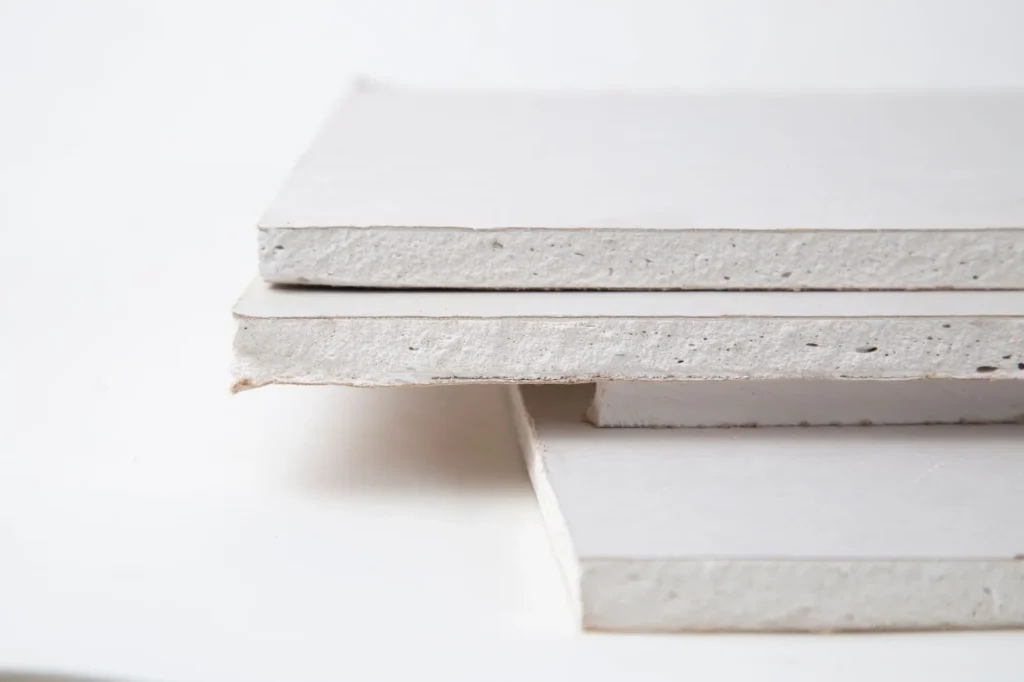
Why cheap drywall work costs more long-term in Edmonton often comes down to the difference between completing the job and completing it correctly. Drywall installation involves more than simply hanging sheets and applying mud. The quality of fastening, framing preparation, taping, finishing, and surface preparation all affect how the walls perform over time. Low bids can sometimes reflect legitimate efficiencies, but they can also indicate that important steps have been reduced, rushed, or omitted. Select Drywall Systems helps homeowners, builders, and property managers understand which shortcuts create future repair costs and how to identify potential issues before work begins.
Where Low Bids Typically Cut Corners
Drywall pricing can vary between contractors, but the scope of work should remain consistent. When one quote is significantly lower than others, it is important to understand whether the contractor has reduced labour, materials, preparation, or finishing requirements to achieve the lower price.
Inadequate Fastening and Stud Alignment
Drywall relies on proper fastening and stable framing to maintain a flat, durable surface. When installers rush the hanging process, they may use fewer fasteners than required or fail to address framing irregularities before installation.
Walls and ceilings can only be as straight as the framing supporting them. If bowed studs, uneven framing, or alignment issues remain uncorrected, the finished drywall surface may develop visible imperfections that become more noticeable after painting and occupancy.
Rushed Taping and Insufficient Mud Coats
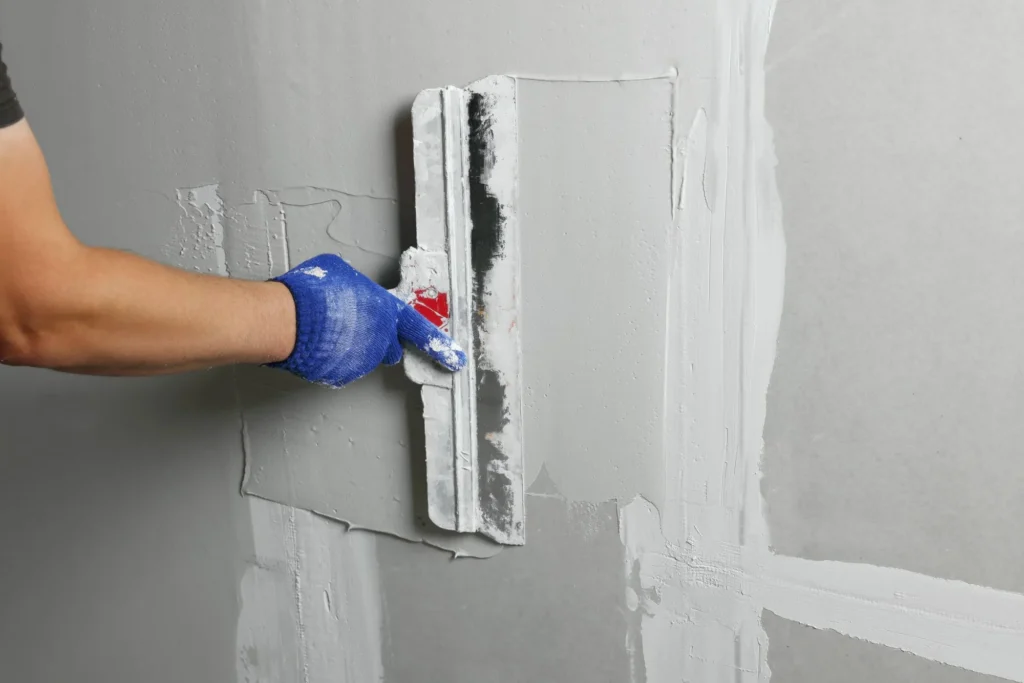
Joint treatment is one of the most labour-intensive stages of drywall finishing. Proper results require multiple applications, drying time, and careful blending of seams.
Budget-focused installations sometimes reduce the number of mud coats or rush drying schedules to save labour. These shortcuts can leave joints more vulnerable to cracking, visible transitions, and premature finish failures. Problems may not appear immediately, but they often become visible as the building experiences seasonal movement and normal settling.
Skipping Proper Sanding and Surface Prep
Surface preparation directly affects the appearance of the finished wall. Even minor imperfections can become highly visible once paint, lighting, and furnishings are introduced.
When contractors reduce sanding time or skip final surface inspections, ridges, tool marks, uneven transitions, and texture inconsistencies may remain. These defects are often difficult to ignore after painting because smooth wall surfaces tend to highlight imperfections rather than conceal them.
The Most Common Failures Seen After Budget Installations
Drywall problems do not always appear immediately after completion. Many issues become noticeable only after the building has gone through seasonal temperature changes, humidity fluctuations, and normal occupancy.
Recurring Joint Cracks
Recurring joint cracks are one of the most common complaints associated with poor drywall finishing. While some minor cracking can occur naturally as buildings settle, repeated cracking in the same locations often points to deficiencies in joint preparation, taping, or finishing.
When contractors fail to properly reinforce seams or adequately build up joint compounds, cracks can reappear even after cosmetic repairs. Simply repainting the area rarely resolves the underlying cause.
Nail Pops and Fastener Shadowing
Nail pops occur when fasteners begin pushing against the drywall surface and create visible bumps beneath paint. Fastener shadowing refers to visible fastening patterns that become apparent under certain lighting conditions.
These issues often result from improper fastening techniques, framing movement, or inadequate finishing over fastener locations. While they may initially appear cosmetic, recurring fastener issues can indicate installation deficiencies that require more extensive correction.
Visible Seams Under Lighting
Visible seams are among the most frustrating drywall defects because they often become apparent only after the project is complete. Direct sunlight, large windows, and modern LED lighting can expose imperfections that may not have been visible during installation.
In most cases, visible seams are primarily an aesthetic issue rather than a structural concern. However, they often indicate deficiencies in finishing quality and usually require additional sanding, skimming, and repainting to correct.
Structural Issues That Appear Months Later
Some drywall problems develop gradually and become noticeable only after the building has experienced seasonal movement, humidity changes, or regular occupancy.
Movement from Poor Framing Preparation
Drywall performs best when installed over properly prepared framing. If framing irregularities remain uncorrected before installation, movement can transfer through the drywall system and create cracks, uneven surfaces, and finish failures.
These issues may not appear immediately. As materials expand, contract, and settle over time, weaknesses in preparation often become more visible.
Moisture Problems Behind Walls
Moisture-related issues are not always caused by drywall installation itself, but quality drywall work includes identifying conditions that may affect performance. Installing drywall over unresolved moisture problems can allow damage to develop behind finished surfaces.
Over time, trapped moisture can contribute to staining, deterioration, mould growth, joint failure, and other conditions that require more extensive repairs than surface refinishing alone.
Cost Comparison: Proper Installation vs Rework
The initial savings from a low drywall quote can disappear quickly when repairs become necessary. Rework often involves more than correcting the visible defect. Contractors may need to remove finishes, repair damaged areas, refinish surfaces, and repaint affected sections to achieve a consistent appearance.
| Initial Install Cost | Common Failure | Repair Scope | Total Long-Term Cost |
|---|---|---|---|
| Lower upfront cost | Joint cracking | Retaping, refinishing, repainting | Often exceeds original savings |
| Lower upfront cost | Visible seams | Skim coating, sanding, repainting | Often exceeds original savings |
| Lower upfront cost | Nail pops | Fastener repairs and refinishing | Often exceeds original savings |
| Lower upfront cost | Moisture-related damage | Wall opening, repairs, refinishing | Significantly higher than initial savings |
| Proper installation | Minimal corrective work | Routine maintenance only | Typically lower overall ownership cost |
The exact cost of drywall rework depends on the size of the affected area, accessibility, finish level, repainting requirements, and whether underlying problems must also be corrected. In many situations, repairing deficient drywall costs more than completing the work correctly during the original installation.
How to Evaluate a Drywall Quote Beyond Price
The lowest quote does not automatically indicate poor workmanship, just as the highest quote does not automatically guarantee quality. The most important factor is understanding exactly what each contractor has included in the scope of work.
Homeowners and builders should review how the contractor approaches framing preparation, drywall hanging, taping, finishing, sanding, inspections, and final surface quality. Quotes that appear similar on paper can differ significantly in labour requirements and finishing standards.
It is also important to ask questions about finish expectations, lighting conditions, repair responsibilities, and how defects are addressed if they appear after completion. A detailed scope often provides a clearer picture of long-term value than price alone.
Select Drywall Systems works with homeowners, builders, and commercial clients throughout Edmonton to deliver drywall installations that prioritize long-term durability, finish quality, and project consistency. Evaluating the full scope of work rather than focusing solely on the initial price helps reduce the risk of costly repairs later.