Temperature and humidity affect how drywall joint compound dries, how soon another coat can be applied, and when the surface is ready for sanding, priming, and painting. Cold or humid rooms generally extend drying time, while excessive heat, very dry air, or concentrated airflow can cause fresh compound to dry too quickly at the surface. Select Drywall provides drywall finishing in Edmonton, where controlling interior conditions is an important part of determining when each finishing stage is ready to proceed.
Why Drywall Finishing Depends on Room Conditions
Most conventional drying-type joint compounds dry as moisture leaves the material and enters the surrounding air. Temperature, relative humidity, ventilation, coat thickness, and air movement therefore affect how long that process takes.
Setting-type compounds behave differently because they harden through a chemical setting reaction. However, a compound reaching its set time does not automatically mean every later finishing or decorating step is ready, so the requirements for the specific product still matter.
Room conditions are therefore more useful than a fixed calendar for judging drying. A coat that dries normally under controlled conditions can require considerably longer when the room becomes colder or more humid.
What Happens When the Space Is Too Cold
There is no single minimum temperature that applies to every joint compound or finishing system. Some manufacturer guidance for drywall finishing specifies maintaining approximately 13°C during cold-weather joint finishing, but the instructions for the actual products being used should control the decision.
Cold conditions matter because they slow moisture evaporation from drying-type compounds and can affect how finishing products perform. Heating should establish suitable room conditions before and during finishing rather than being used only briefly while compound is applied.
Slower Drying Between Coats
A drying-type compound generally takes longer to dry when the room is cold. The next coat should therefore be based on whether the previous application is sufficiently dry, not simply on whether a normal amount of time has passed.
Conditions can also change from one coat to the next. A coat applied before an overnight temperature drop, for example, may need more drying time than an earlier coat completed under warmer conditions.
Risks From Finishing Before Compound Is Ready
Applying another coat over compound that has not dried sufficiently can extend the overall drying process and allow additional shrinkage as retained moisture leaves the material. This can affect the finished joint and create additional correction work before the surface is ready.
Sanding too early can also disturb compound that remains soft or damp instead of producing a consistent finished surface. If that occurs, the affected area may need additional drying, filling, or refinishing before it can move forward.
What Happens When Humidity Is Too High
High relative humidity makes it harder for moisture from drying-type compound to move into the surrounding air. Drying between coats can therefore take longer even when the room temperature appears reasonable.
Joint compound also releases moisture into the room as it dries. In an enclosed space with limited ventilation, that added moisture can contribute to conditions that continue slowing the drying process.
Moisture, Drying Time, and Ventilation
Ventilation gives moisture released by the joint compound a path out of the work area. Heating or dehumidification can also help establish suitable conditions when used appropriately, but adding heat without removing excess moisture does not address the entire drying environment.
Fans or heaters should condition the room rather than direct strong airflow or concentrated heat onto fresh compound. Unvented temporary combustion heaters can also add water vapour to the indoor air, which works against the goal of reducing humidity.
Why Basement Conditions Can Be More Difficult
Basement drywall finishing can take longer when the space is cooler, more humid, or has less effective air movement than finished areas elsewhere in the building. Being below grade does not automatically make a basement unsuitable for finishing, so the actual indoor conditions should determine whether additional drying time or moisture control is necessary.
Heating, ventilation, or dehumidification may improve normal basement conditions. An active leak, water intrusion, or unresolved moisture source is different from ordinary indoor humidity and should be corrected before drywall finishing continues.
Can a Room Be Too Hot or Dry for Finishing?
Yes. High temperatures combined with very low humidity or strong air movement can cause compound to lose moisture too quickly at the surface, reducing working time and increasing the risk of finishing problems. The objective is controlled drying, not maximum heat. Heater outlets and strong fans should not be aimed directly at freshly finished joints, and the room should remain within the environmental requirements of the products being used.
How Conditions Affect Each Stage of Drywall Finishing
Temperature and humidity affect each finishing stage differently because fresh compound, dried compound, and a completed surface have different readiness requirements.
| Finishing Stage | Effect of Unsuitable Conditions | What Determines Readiness |
| Taping and mudding | Cold and high humidity can extend drying, while excessive heat or airflow can cause rapid surface drying. | Product requirements and the condition of the previous coat. |
| Sanding and final inspection | Soft or damp compound may not sand consistently and may continue changing as it dries. | Compound is sufficiently dry and firm for sanding and evaluation. |
| Priming and painting | Remaining moisture or unstable room conditions can delay the transition to decoration. | Joint treatment is dry and conditions meet the primer or paint manufacturer’s requirements. |
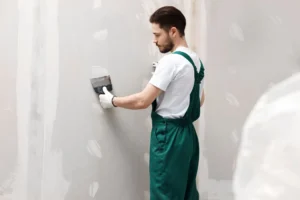
Taping and Mudding
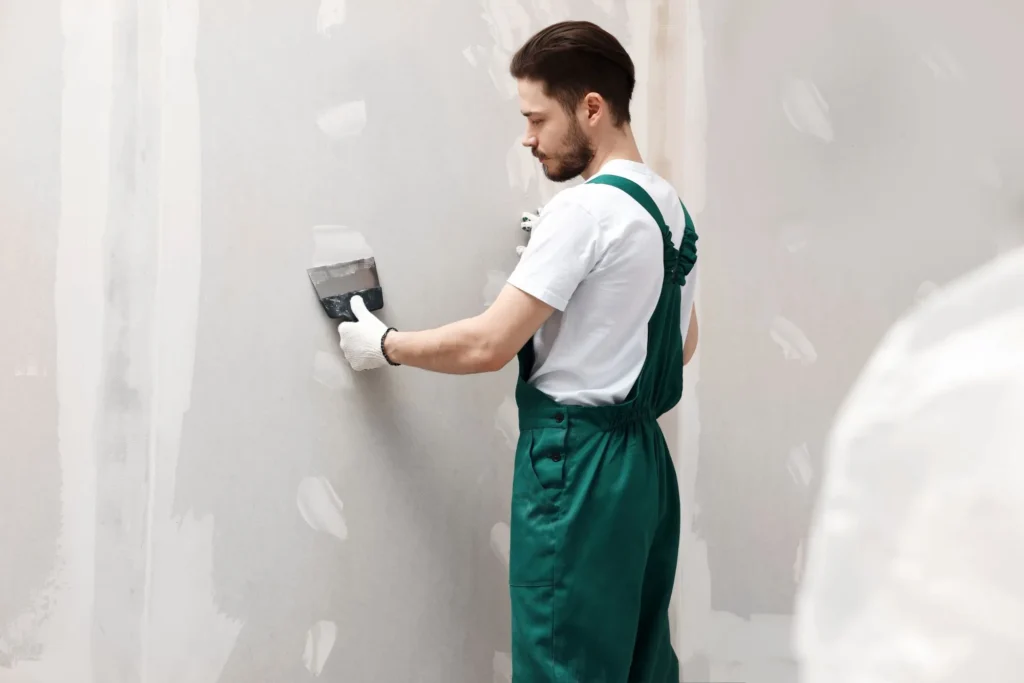
Drying conditions matter from the first application of joint compound through subsequent coats. With drying-type compounds, each coat generally needs adequate drying before the next coat is applied, and cold or humid conditions extend the time required.
Setting-type compounds have specified working and setting times, which can make them useful in particular applications. Their stated set time should not be treated as a universal timetable for sanding, priming, or painting because those later steps still depend on the product instructions and the condition of the material.
Sanding and Final Inspection
Sanding should begin when the joint compound is dry and firm enough to sand cleanly. Starting while the material remains soft can disturb the joint, create an uneven surface, and add corrective work rather than moving the project closer to completion.
Final inspection should also take place after the finishing material has reached its intended dry condition. This allows joints, fasteners, corners, and surface transitions to be evaluated as they will actually remain before the project moves into decoration.
Priming and Painting
Priming and painting should not be used to move past joint compound that remains damp. The finished joints should be dry, and the room should meet the environmental requirements specified for the primer or coating that will be applied.
Poor drying conditions earlier in the project can therefore delay painting even when the taping and mudding work appears complete. Allowing the finishing system to reach the proper condition first reduces the risk of carrying an unresolved moisture problem into the decorating stage.
When Drywall Finishing Should Be Delayed
Drywall finishing should be delayed when the room falls outside the requirements of the products being used, when an active moisture problem is present, or when the preceding coat is not ready for the next operation. Persistent cold, high humidity, inadequate ventilation, or major swings in indoor conditions can all extend the time required between stages.
Suitable conditions also need to be maintained while the material dries. Temporarily warming a room during application does not solve the problem if the temperature drops substantially afterward or moisture remains trapped in the space.
The condition of the previous coat should ultimately control the decision to continue. Recoating, sanding, or priming before that stage is ready does not recover lost time if the surface later requires additional drying or correction.
Planning Drywall Finishing for Edmonton Conditions
Edmonton’s cold seasons make interior conditions especially relevant on projects that are still under construction, undergoing basement development, or not yet operating under normal heating and ventilation. Outdoor temperature does not determine drying by itself because a properly conditioned interior can provide suitable finishing conditions even when exterior temperatures are low.
During cold weather, the work area needs sufficient and stable heat along with ventilation that allows moisture from drying compound to leave the space. Basements and other areas that remain cooler or more humid may require additional conditioning before subsequent coats, sanding, or decoration can proceed.
Select Drywall provides taping, mudding, sanding, and related drywall finishing services for residential and commercial projects in Edmonton. Project timing depends on the scope of the work as well as site conditions, so each finishing stage should proceed when the material and work area are ready rather than being forced to follow the same drying schedule on every project.