Moisture-resistant vs regular drywall is an important comparison when choosing materials for rooms with different humidity levels and moisture exposure. Regular drywall is suitable for most dry interior spaces, while moisture-resistant drywall provides additional protection in areas exposed to occasional dampness or elevated humidity. Select Drywall helps Edmonton homeowners understand these differences when planning drywall installations, renovations, and replacement projects.
Where the Two Drywall Types Perform Differently
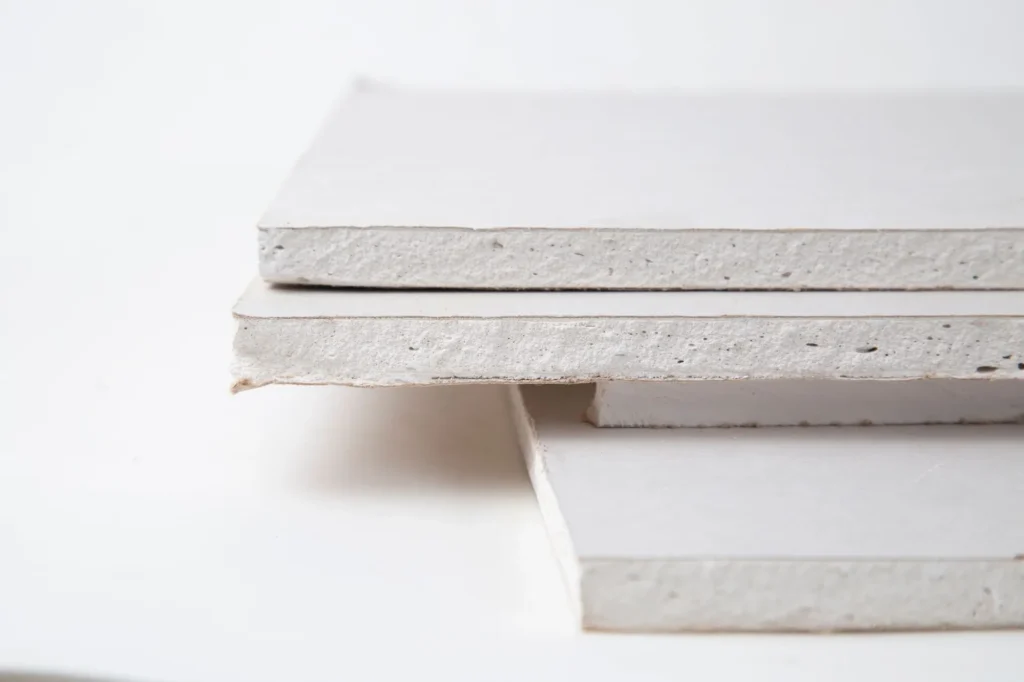
Regular drywall and moisture-resistant drywall are both gypsum-based building materials, but they differ in how they respond to moisture. Standard drywall typically uses a gypsum core with paper facing, while moisture-resistant products use specially formulated cores, treated paper, or fibreglass facings to reduce moisture-related deterioration. The level of protection depends on the specific product and its intended application.
| Comparison | Regular Drywall | Moisture-Resistant Drywall |
| Best applications | Bedrooms, living rooms, hallways, and dry interior spaces | Bathrooms, laundry rooms, and selected higher-humidity spaces |
| Humidity resistance | Suitable for normal indoor humidity | Designed for greater resistance to intermittent humidity |
| Occasional moisture | More vulnerable to moisture absorption and damage | Better resistance to incidental dampness |
| Direct water exposure | Not intended for repeated wetting | Not waterproof and subject to product-specific restrictions |
| Material cost | Generally less expensive | Typically carries a higher material cost |
| Installation and finishing | Standard installation and finishing methods | Similar methods for many products, with manufacturer requirements applying |
Both materials provide suitable finished wall and ceiling surfaces when installed under appropriate conditions. The practical difference is whether the additional moisture resistance justifies the higher material cost for the room’s expected exposure.
Where Regular Drywall Is Usually the Practical Choice
Regular drywall is the standard choice for many residential walls and ceilings because it performs well under normal indoor humidity conditions. It provides a suitable surface for painting and other compatible finishes without the additional material cost of moisture-resistant products.
Bedrooms, Living Areas, and Other Dry Spaces
Bedrooms, living rooms, dining rooms, hallways, and home offices generally do not require moisture-resistant drywall. These spaces usually have relatively stable indoor conditions, making regular drywall appropriate for walls and ceilings.
The same applies to many finished recreation rooms and other living areas that remain consistently dry. In these locations, standard drywall provides the required interior finish without adding moisture-resistant features that are unlikely to be needed.
When Upgrading Adds Little Benefit
Installing moisture-resistant drywall throughout an entire home can increase material expenses without providing a meaningful performance advantage. Occasional, short-term humidity changes are not necessarily enough to justify upgrading every wall or ceiling.
For example, a kitchen with effective ventilation and no recurring dampness may only need regular drywall on walls away from significant moisture exposure. The additional cost is generally better directed toward surfaces with more frequent humidity or splashing rather than upgrading an entire room without a clear reason.
Where Moisture-Resistant Drywall Is Worth Considering
Moisture-resistant drywall becomes worth considering when a room experiences recurring humidity or occasional moisture exposure beyond normal dry-room conditions. Its value depends on how frequently those conditions occur, how long surfaces remain damp, and whether the selected product is approved for the intended application.
Bathrooms and Laundry Areas
Bathrooms experience repeated humidity increases from showers and baths, making moisture-resistant drywall a practical option for painted walls and ceilings outside direct-water areas. This is particularly relevant when steam regularly accumulates or surfaces take longer to dry after use.
Bathroom ceilings require additional consideration because not every moisture-resistant panel is suitable for every ceiling installation. Panel thickness, framing spacing, and manufacturer requirements must be checked to ensure the selected product provides adequate support and resists sagging under expected conditions.
Laundry rooms may also benefit from moisture-resistant drywall around utility sinks and other locations exposed to occasional splashing. However, a laundry room with effective ventilation and consistently dry surfaces does not automatically require moisture-resistant drywall throughout the space.
Basements and Other Higher-Humidity Spaces
Edmonton basements can experience elevated humidity when cool surfaces, limited air circulation, or seasonal moisture conditions contribute to dampness. Moisture-resistant drywall can provide additional protection where humidity increases intermittently, provided surfaces return to dry conditions and the surrounding wall assembly is suitable.
However, moisture-resistant drywall is not necessary throughout every basement. Finished bedrooms, recreation rooms, and other consistently dry spaces can generally use regular drywall when moisture is adequately controlled.
Basement bathrooms, laundry areas, and selected utility spaces may warrant different materials because their expected humidity exposure differs from nearby living areas. Persistent dampness, wet surfaces, or recurring condensation require investigation and moisture control rather than simply upgrading the drywall.
Moisture Resistant Does Not Mean Waterproof
Moisture-resistant drywall is designed to withstand certain damp conditions better than standard drywall, but it does not create a waterproof barrier. Its resistance varies by product, meaning a panel suitable for occasional humidity is not necessarily appropriate for repeated wetting or prolonged moisture exposure.
Direct Water Exposure
Showers, tub surrounds, and other regularly wetted surfaces require materials and assemblies specifically approved for those conditions. Conventional moisture-resistant drywall, often called greenboard, should not be treated as a waterproof substrate or assumed suitable behind shower tile.
Specialized gypsum tile backer products are different from conventional moisture-resistant drywall, and some are approved for wet-area installations when installed according to their specifications. Depending on the assembly, suitable options may include cement backer board or an approved waterproof tile backer system, with the required waterproofing details and compatible materials.
The intended finish also matters because tile and grout alone should not be assumed to prevent water from reaching the materials behind them. Product approval, installation requirements, and applicable building standards must be confirmed before selecting a substrate for direct-water areas.
Existing Leaks and Moisture Problems
Moisture-resistant drywall will not correct plumbing leaks, foundation water intrusion, or recurring condensation. Continued moisture exposure can still damage the panels, particularly when water enters through joints, unfinished edges, or surrounding materials.
For renovations involving existing water damage, the moisture source must be identified and corrected before replacement drywall is installed. Covering a damp or deteriorated area with moisture-resistant panels can conceal an unresolved problem without preventing further damage.
When Moisture Conditions Affect More Than the Drywall
Persistent moisture can affect framing, interior finishes, and other materials within a wall or ceiling assembly. Even when the visible drywall appears relatively intact, moisture behind the surface can contribute to deterioration or mould growth if the affected materials cannot dry properly.
Staining, recurring mould, peeling paint, softened drywall, and persistent dampness can indicate that further investigation is needed before repairs begin. The extent of the problem determines whether replacing the visible drywall is sufficient or whether surrounding materials also require attention.
Ventilation and indoor humidity control influence how drywall performs over time because material resistance cannot compensate for unsuitable indoor conditions. Bathroom exhaust fans, suitable laundry ventilation, and effective basement humidity management help limit moisture accumulation within finished spaces.
Where water damage has occurred, affected areas should be assessed and adequately dried before the wall or ceiling is closed. Otherwise, new drywall may conceal damaged materials or remaining moisture that could compromise the completed renovation.
Choosing Drywall for Edmonton Homes and Renovations
Choosing drywall for an Edmonton renovation requires evaluating each room’s expected moisture exposure alongside its intended finish and construction requirements. Seasonal temperature differences can contribute to condensation on cooler interior surfaces, making existing humidity conditions particularly relevant when finishing basements or renovating older spaces.
Material selection must also account for panel thickness, ceiling installation requirements, and any applicable fire-resistance specifications. These requirements can determine which drywall products are appropriate even when moisture exposure alone would suggest a different choice. Select Drywall provides drywall installation and replacement services for Edmonton residential renovations, basement developments, and interior construction projects.