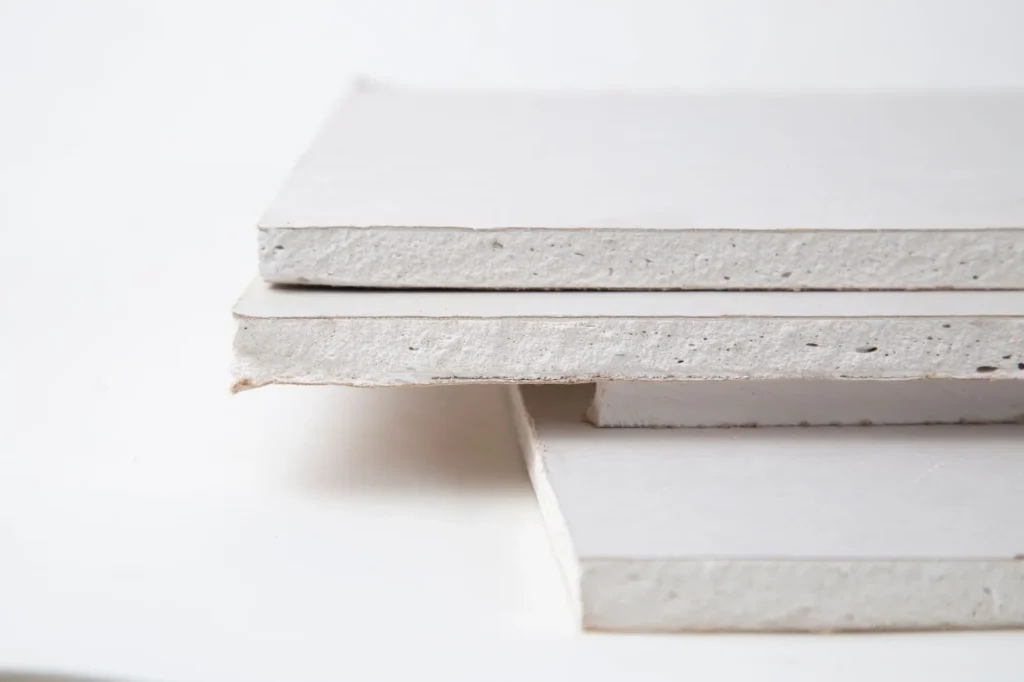
Drywall condition influences how buyers perceive the overall maintenance of a home. While not every blemish requires repair before listing, the decision generally depends on how visible the defect is, whether it suggests an underlying problem, and whether it is likely to attract attention during showings. Visible drywall defects can distract buyers or raise questions about conditions behind the finished surfaces. Select Drywall helps homeowners determine which drywall repairs are worthwhile before putting a property on the market and which imperfections are unlikely to affect a sale.
Why Drywall Condition Matters During Home Sales
Buyers often evaluate a home’s condition within minutes of entering. Walls and ceilings cover a large percentage of the visible interior, so drywall defects naturally attract attention even when the rest of the property is well maintained.
Visible drywall damage can influence buyer confidence even when it does not represent a reportable structural defect during a home inspection. Most buyers understand that minor cosmetic wear occurs over time. The greater concern is whether visible drywall damage suggests moisture problems, structural movement, or neglected maintenance. Addressing the appropriate repairs before listing can help buyers focus on the home’s features rather than questioning its condition.
First Impressions During Showings
Freshly painted walls lose much of their impact if cracks, dents, uneven seams, or damaged corners remain visible. These imperfections become especially noticeable when natural daylight or lighting shines across the wall surface, creating shadows that emphasize uneven areas.
Repairing obvious cosmetic damage creates a cleaner, more uniform appearance throughout the home without requiring major renovation work.

Buyer Perception of Visible Damage
Many drywall imperfections are harmless, but buyers rarely know whether a crack is cosmetic or the result of a larger issue. Limited cosmetic wear is generally expected in lived-in homes, particularly older properties. Larger defects, recurring cracks, water stains, or obvious repairs are more likely to attract attention and encourage buyers to look more closely at other areas of the property.
Even when the drywall itself is not structurally compromised, repairing noticeable defects before listing helps reduce unnecessary questions during showings.
Cosmetic Repairs Worth Completing Before Listing
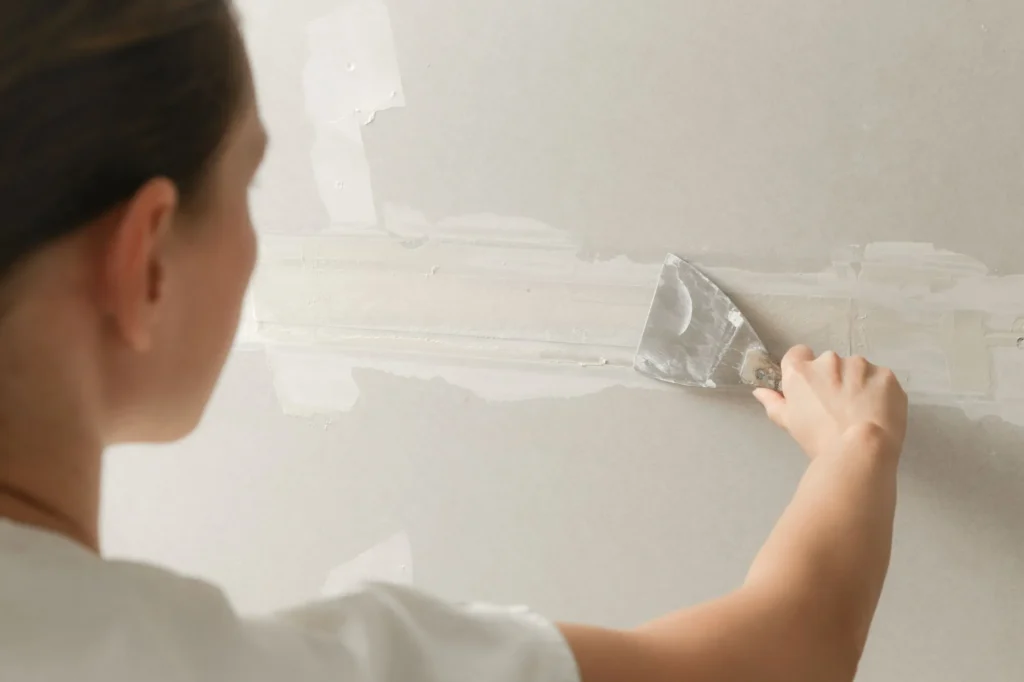
Cosmetic drywall repairs are often worthwhile because they are generally limited in scope while producing a noticeable improvement in overall presentation. Not every drywall defect requires replacement. Many common imperfections can be repaired through professional taping, mudding, sanding, and refinishing when the drywall remains securely attached and free from moisture damage. These repairs are generally completed to improve appearance rather than correct structural problems.
Nail Pops, Dents, and Small Holes
Nail pops, screw depressions, furniture dents, anchor holes, and small impact damage are among the most common cosmetic drywall repairs before a home is listed.
These imperfections are typically localized and can usually be repaired without replacing the drywall panel. Once properly finished and painted, the repaired areas blend with the surrounding surface and help present a more consistent appearance.
If a hole has fractured the gypsum core, damaged the surrounding drywall, or is too large to support a durable patch, replacing the affected section generally provides a better repair than patching alone.
Visible Seams and Hairline Cracks
Minor seam visibility and fine hairline cracks frequently develop as homes experience normal seasonal expansion and contraction. Stable cosmetic cracks that remain unchanged through normal seasonal cycles are often suitable for refinishing.
If cracks repeatedly reopen after previous repairs or continue expanding over time, further investigation should be completed before cosmetic repairs are made.
Damage That May Suggest Larger Problems
Some drywall defects indicate that repairing the finished surface alone may not provide a lasting solution. In many situations, the drywall damage is only the visible symptom of movement, moisture, or another condition affecting the wall assembly behind it. Identifying these issues before listing allows underlying conditions to be addressed rather than temporarily concealed.
Water Stains and Soft Drywall
Water stains, swollen drywall, soft gypsum, bubbling paint, or mould growth often indicate previous or ongoing moisture exposure. Although a stain may result from an older repaired leak, repainting alone should not be used to cover damage without confirming that the moisture source has been resolved.
Once the source of moisture has been confirmed as corrected, the affected drywall should still be evaluated to determine whether it has retained sufficient strength or whether replacement is the more appropriate repair.
Recurring or Widening Cracks
Cracks that repeatedly return after repair, widen over time, extend across multiple surfaces, or appear together with sticking doors or windows may indicate movement beyond the drywall finish.
That movement may originate from framing changes, foundation settlement, roof movement, or other structural components rather than the drywall itself. These situations should be investigated before deciding whether refinishing, localized replacement, or more extensive repairs are appropriate.
Repairs That Usually Do Not Need Immediate Attention
Not every drywall imperfection justifies repair before selling. Minor scuffs, isolated picture hanger holes, or very small surface blemishes that are consistent with normal occupancy may have little influence on buyer decisions, particularly if the home is otherwise well maintained. Buyer expectations also vary depending on the age, condition, and price range of the property.
The priority should generally be defects that are immediately noticeable during a showing or those that could reasonably cause buyers to question whether hidden damage exists. Concentrating repairs on those areas often provides a better return than attempting to eliminate every minor cosmetic mark throughout the home. Unnecessary patching can also create visible texture differences if repairs are not properly blended into the surrounding finish.
How Professional Drywall Repairs Improve Listing Presentation
Professional drywall repairs focus on creating a consistent finished surface that blends with the surrounding walls and ceilings. Proper feathering of repairs, careful sanding, matching existing textures where required, and repainting all contribute to repairs that are difficult to distinguish under normal lighting.
Professional assessment also helps distinguish cosmetic defects from problems that require additional corrective work. Identifying the correct cause before repairs begin reduces the likelihood of visible defects returning before or shortly after the property is sold.
Deciding What to Repair Before You Sell
The most effective repair strategy depends on whether the drywall issue is cosmetic or caused by an underlying condition. Cosmetic dents, nail pops, stable seam lines, and minor surface damage are often worthwhile repairs because they improve presentation with relatively limited work.
Visible moisture damage, recurring cracks, soft drywall, or signs of structural movement should be evaluated beyond the finished surface before listing. Addressing the underlying cause provides a more reliable repair and helps prevent buyers from questioning the condition of the home during inspections or negotiations.
As a general guideline, repair visible cosmetic defects that affect presentation, investigate recurring or progressive damage before refinishing, and correct confirmed underlying problems before completing the finished drywall repair. Select Drywall can assess visible drywall defects and recommend whether cosmetic finishing, localized replacement, or additional corrective work is the most appropriate solution.