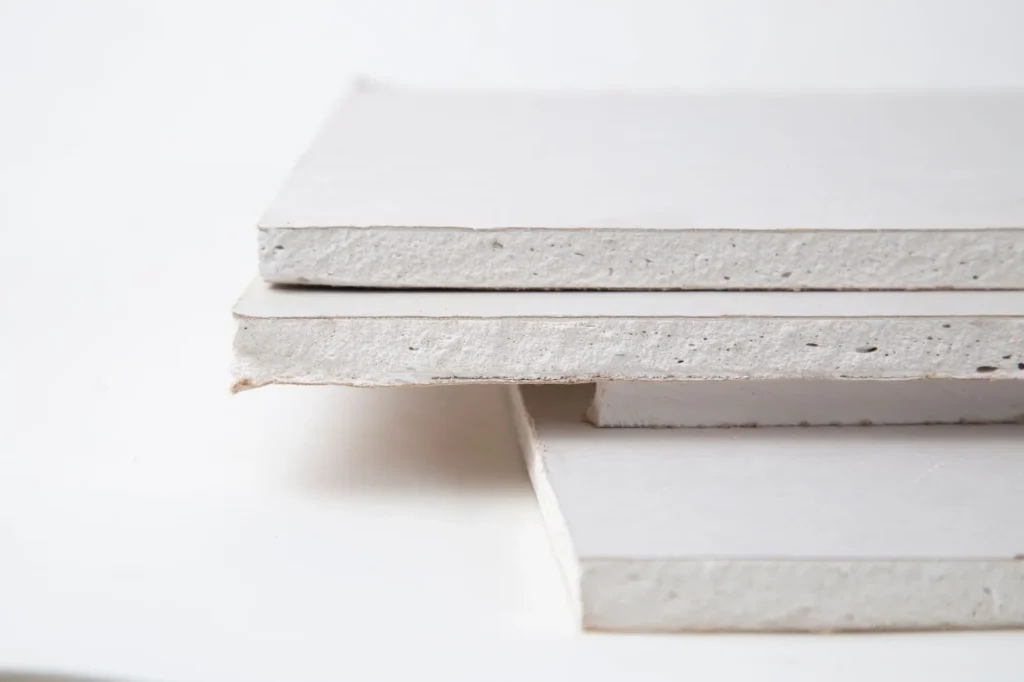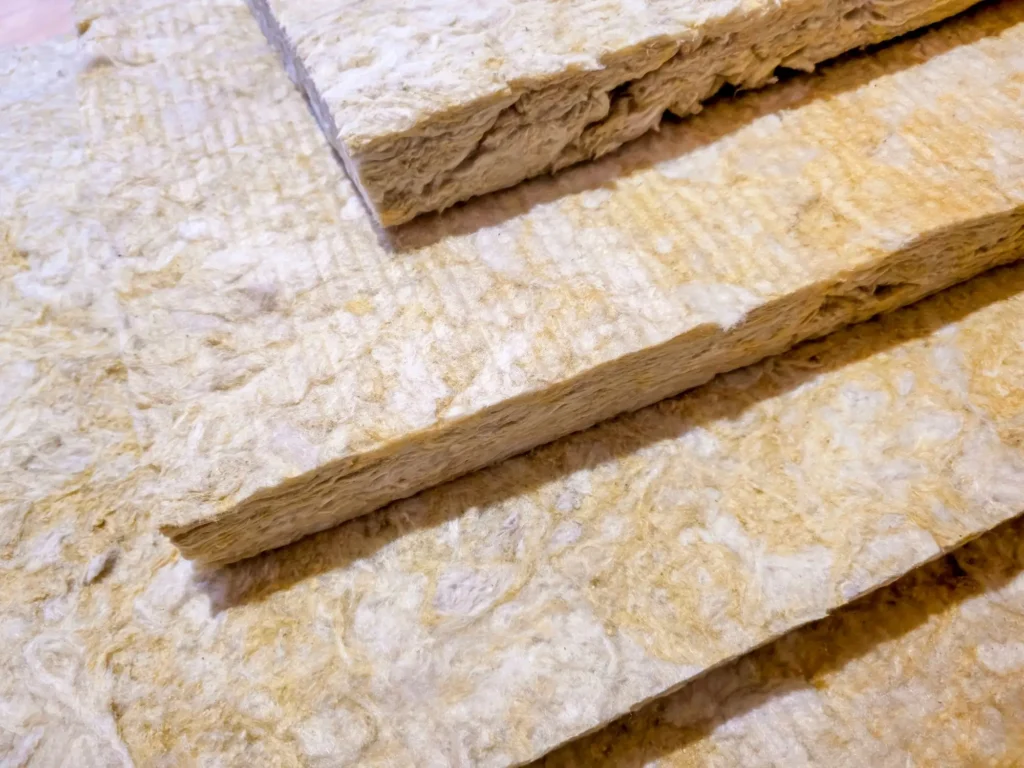
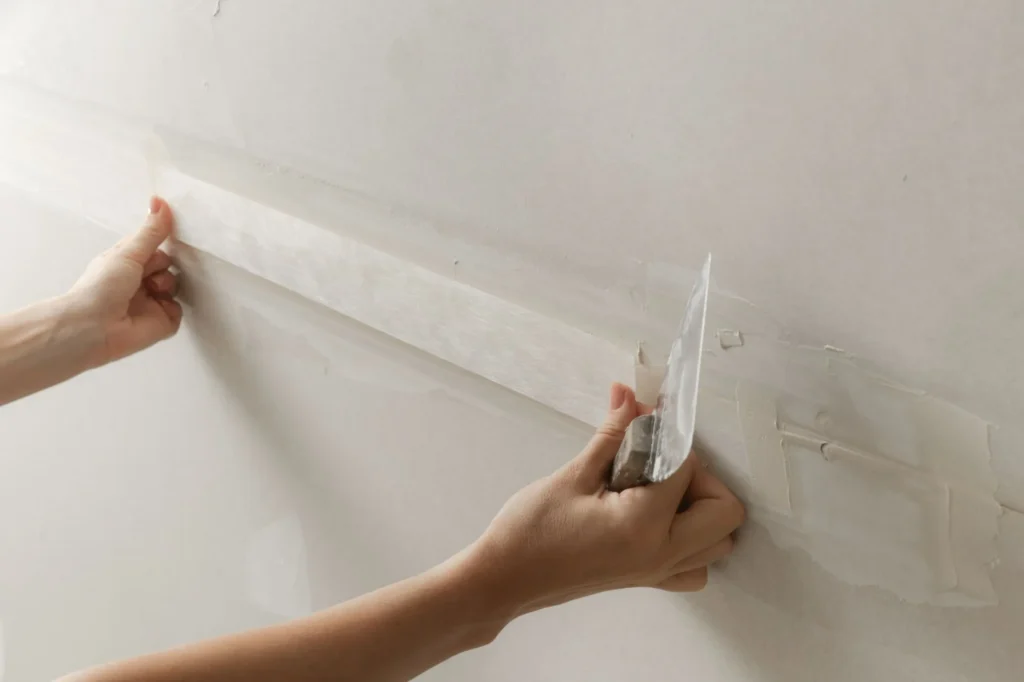
Surface finishing solves many drywall imperfections, but not every defect originates at the surface. When cracks, movement, or visible damage are caused by framing, moisture, or improper installation, applying additional tape and joint compound alone is unlikely to provide a lasting repair. Depending on the underlying cause, corrective work may involve reframing, replacing drywall, correcting moisture intrusion, or accessing insulation behind the wall before finishing can be completed. Select Drywall helps property owners determine when taping and mudding is the appropriate solution and when the underlying issue should be corrected first.
Cosmetic Surface Imperfections That Finishing Can Fix
Many drywall defects are cosmetic rather than structural. These imperfections affect appearance but do not indicate that the wall assembly has failed or that the drywall itself requires replacement.
When the drywall remains securely fastened, dry, supported by stable framing, and free from significant movement, taping, mudding, sanding, and refinishing can usually restore a uniform surface without removing the drywall.
Minor Seam Visibility
Hairline seam visibility can develop as new construction materials settle, buildings experience seasonal movement, or previous finishing shrinks slightly during curing. Minor seam lines that remain stable over time are often suitable for refinishing. In newer homes, limited seam visibility during the first heating and cooling cycles can occur as building materials adjust and does not necessarily indicate defective installation.
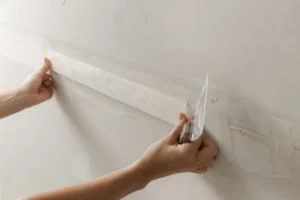
Cosmetic seam repairs typically involve removing loose compound where necessary, reinforcing the joint when existing drywall tape has failed or been removed, applying new compound, sanding, and repainting. If the seam repeatedly reopens after repair, the cause should be investigated before additional finishing is applied.
Small Dents and Surface Damage
Small dents, nail pops, screw depressions, corner chips, and minor impact damage are common cosmetic repairs. These defects affect only the finished surface while leaving the drywall panel structurally intact.
Finishing is generally appropriate when the gypsum core remains solid and the surrounding drywall has not been weakened by moisture, movement, or repeated damage. If the gypsum core has fractured, the damaged area is extensive, or the drywall has been crushed over a larger section, replacing that portion of the drywall often provides a more reliable repair than patching alone.
Structural Problems That Finishing Cannot Solve
Joint compound is designed to create a smooth finished surface, not to stabilize structural movement or correct installation deficiencies. When the underlying cause remains active, repeated finishing often hides the symptom temporarily without resolving the problem.
Proper diagnosis before repair helps avoid repeated patching that eventually builds excessive compound thickness. Excessive buildup can leave repairs more noticeable, reduce wall flatness, and make future corrective work more difficult while the original defect continues developing beneath the finished surface.
Stud Movement and Framing Shifts
Drywall is attached directly to the framing. If studs twist, shrink, settle, or move because of structural changes, the finished joints may crack repeatedly regardless of how well they are taped and mudded.
Seasonal expansion and contraction are common in Edmonton as temperature and humidity change throughout the year. Seasonal movement often produces narrow cracks that appear and close with changing conditions. Cracks that progressively widen, repeatedly reopen after repair, affect multiple areas, or coincide with movement around doors and windows are more likely to indicate framing issues that should be evaluated before refinishing.
Moisture Damage Behind Drywall
Moisture affects more than the painted surface. Water intrusion from plumbing leaks, roof leaks, condensation, or building envelope failures can weaken drywall, reduce fastener holding strength, promote mould growth, and deteriorate insulation behind the wall.
Simply applying fresh compound over moisture-damaged drywall does not stop deterioration. The moisture source should be corrected first, damaged materials allowed to dry or replaced where necessary, and only then should finishing repairs be completed. Water staining may indicate previous or current moisture exposure, but staining alone does not confirm whether an active leak is still present without further inspection.
Improper Board Installation
Some drywall problems originate during installation rather than finishing. Insufficient fastening, excessive fastener spacing, unsupported board edges, poorly staggered joints, or incorrect board placement can all contribute to recurring cracks or visible movement.
Unsupported board edges occur when drywall joints are not adequately backed by framing or approved backing materials, allowing movement that can eventually crack the finished joint. Additional mudding cannot compensate for drywall that was installed incorrectly. Where installation deficiencies are confirmed, reinforcing the affected area or replacing improperly installed sections generally provides a more durable repair than repeated cosmetic refinishing.
How to Diagnose the Real Source of Cracks
The appearance of a crack alone does not identify its cause. The location, direction, width, frequency of recurrence, surrounding damage, and whether adjacent building materials also show movement all help determine whether the issue is cosmetic or structural.
Hairline cracks that remain stable and occur only within finished joints are commonly cosmetic. Cracks that repeatedly reopen after repair, continue to widen, appear alongside door or window distortion, show moisture staining, or coincide with noticeable wall movement often indicate an underlying issue requiring further investigation.
Visual observations help narrow the possible cause but do not always confirm it. Depending on the symptoms, diagnosis may also involve examining framing, checking moisture levels, inspecting adjacent building components, or accessing concealed areas before selecting the appropriate repair.
When Partial Replacement Becomes Necessary
Partial drywall replacement becomes appropriate when the drywall panel itself has lost its structural integrity or cannot reliably support another cosmetic repair. Common examples include saturated drywall, mould-contaminated sections requiring removal, severely damaged panels, crumbling gypsum, repeated failed repairs that have created excessive compound buildup, or installation deficiencies affecting only part of a wall or ceiling.
Replacing only the affected section is often sufficient when the surrounding drywall remains dry, stable, securely fastened, and properly installed. In some situations, drywall removal may also be necessary to access damaged insulation, plumbing, electrical components, or concealed moisture issues even if the visible surface appears relatively intact.
Repair Strategy Decision Framework
Selecting the correct repair depends on identifying the source of the problem before choosing the repair method.
| Condition | Appropriate Strategy |
|---|---|
| Stable cosmetic dents, nail pops, or minor seam visibility | Cosmetic Patch |
| Localized joint movement with otherwise sound drywall requiring additional reinforcement | Reinforce and Refinish |
| Isolated moisture damage, installation defects, or damaged drywall panels affecting one area | Section Replacement |
| Widespread installation failure, extensive moisture damage, major framing movement, or multiple interconnected wall failures affecting the same wall, ceiling, or room | Full Reinstall |
Reinforcing and refinishing typically involves replacing failed drywall tape, securing loose drywall where appropriate, correcting localized fastening issues if necessary, and then applying a new finished surface.
Matching the repair strategy to the source of the damage provides a more durable outcome than repeatedly refinishing the same defect. Select Drywall evaluates both the visible drywall damage and the conditions behind it before recommending cosmetic finishing, localized replacement, or more extensive corrective work.